Functional Role Tailored for Industrial Pulp Consistency Monitoring
The Opitial Sensor serves as a critical optical sensor for monitoring the consistency of pulp in industrial process streams. Targeted primarily at process engineers and plant managers in pulp and paper production, this device offers precise detection of suspended particles using advanced optical scattering technology. Its design supports integration into existing control systems for real-time quality assurance and process optimization. The sensor’s rugged construction, including a sapphire glass probe, addresses applications involving coarse pulp and impurities, thus catering to demanding industrial environments requiring continuous and reliable measurement.
Advanced Technical Specifications for Accurate Optical Measurement
At the core of its functionality, the Opitial Sensor employs a photoelectric sensor module to detect reflected light intensity correlating with pulp consistency values ranging between 0.1% and 16.0% by weight. Featuring a sensitivity of ±0.02% and repeatability of ±0.04%, it delivers highly accurate and stable readings with response times under 10 seconds. Its probe is constructed from wear-resistant sapphire glass, while stainless steel and Hastelloy materials ensure durability under process pressures up to 2.5MPa and temperatures ranging from 5 to 100°C. Signal outputs include 4-20mA and RS485, facilitating direct integration with automation systems for seamless optical measurement sensor deployment.
Real-World Industrial Applications and Process Optimization Benefits
The Opitial Sensor is extensively used in pulp production facilities for monitoring consistency at pump outlets and turbulent pipeline sections, enabling operators to maintain process stability and to optimize chemical usage effectively. Its compatibility with intelligent control systems enhances quality assurance in pulp refining and allows continuous process adjustments through accurate, repeatable optical sensing. This robustness in challenging environments—unaffected by flow rate, temperature changes, or impurities—makes the sensor indispensable in industrial settings focused on maximizing operational efficiency and product quality.
Introduction
S950C Optical Pulp Consistency Sensor adopts optical scattering measurement technology, which has complementary advantages with the consistency sensor of shear force measurement.S950C Optical Pulp Consistency Sensor consists of a probe, a photoelectric conversion box, a converter and installing accessories. The sensor has simple structure and is more convenient to install. The probe and photoelectric unit are separated, so that the sensor is not affected by the temperature change of medium and the vibration of pipeline.S950C Optical Pulp Consistency Sensor can be directly installed at the pulp pump outlet and other places may find turbulent, which is better adapted to different installation environments on site. The sensor probe uses sapphire glass window, which is wear-resistant and anti-winding, and can be directly applied to the coarse pulp process section with more impurities in the pulp.The sensor is an intelligent sensor with micro-processing chip, which can be calibrated and set parameters conveniently. Its calibration and parameter setting methods are consistent with other intelligent sensors of SunHigh Technology, which is convenient, practical, concise and effective. The sensor can communicate with the controller or computer by 4-20mA current signal interface
Advantage
Optical scattering measurement principle, high sensitivity and high stability.
Measurement in pipeline, no moving parts, long-term operation, low maintenance workload.
Not affected by medium flow rate, temperature, vibration and impurities.
Compact structure and convenient installation and maintenance.
Good economy and high reliability.
High protection level and long service life.
Working Principle
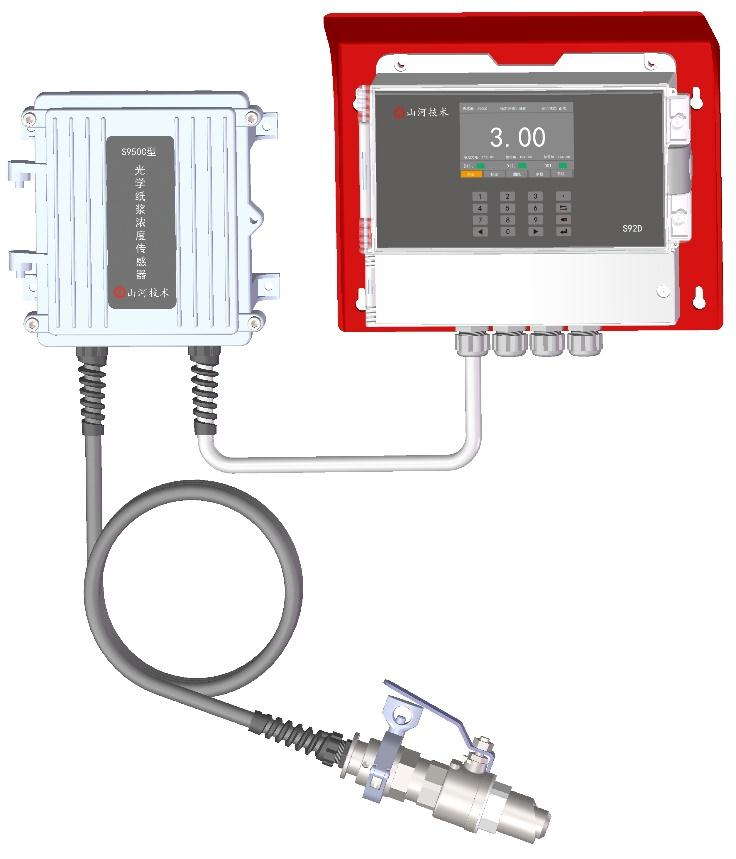
S950C consists of a probe, a photoelectric conversion box and a converter. The photoelectric conversion box comprises a light generator, a light sensor, a signal solving unit, etc. The photoelectric conversion box is connected with the probe through an optical fiber. The probe is directly installed on the pipeline and probes into the pulp flow.
When the sensor works, a small light beam is emitted through the optical fiber, which reflects when encountering the fiber. The reflected light is related to the fiber consistency, and the reflected light enters the photoelectric conversion unit through the receiving optical fiber. Because there are suspended particles of various sizes in the pulp, the reflected signals of these suspended particles to light are different. The microprocessor intelligently identifies the received continuous signals and obtains the total consistency of the pulp.
The S950C Optical Pulp Consistency Sensor adopts the principle of reflected light measurement, which is complementary to the principle of shearing force measurement and dielectric constant measurement in applicability.
Performance Indicators
Consistency measurement range: 0.1% ~ 16.0% by weight
Sensitivity: ±0.02% consistency value
Consistency measurement repeatability: ±0.04% consistency value
Response time of consistency measurement: <10 seconds
Signal output: 4-20mA\RS 485
Sensor connection material: 316L\ 254SMO\ Hastelloy
Shell material of electronic box: Aluminum alloy
Applicable flow rate range: above 1.0 m/s
Medium temperature: 5 ~ 100℃
Operating temperature of instrument: 0 ~ 50℃
Humidity of the operating environment: below 85%
Medium pressure: 1.0MPa/1.6MPa/2.5MPa
Operating voltage: AC220V50HZ
Power consumption: Less than 50W
Protection rating: IP65
Outline dimensions
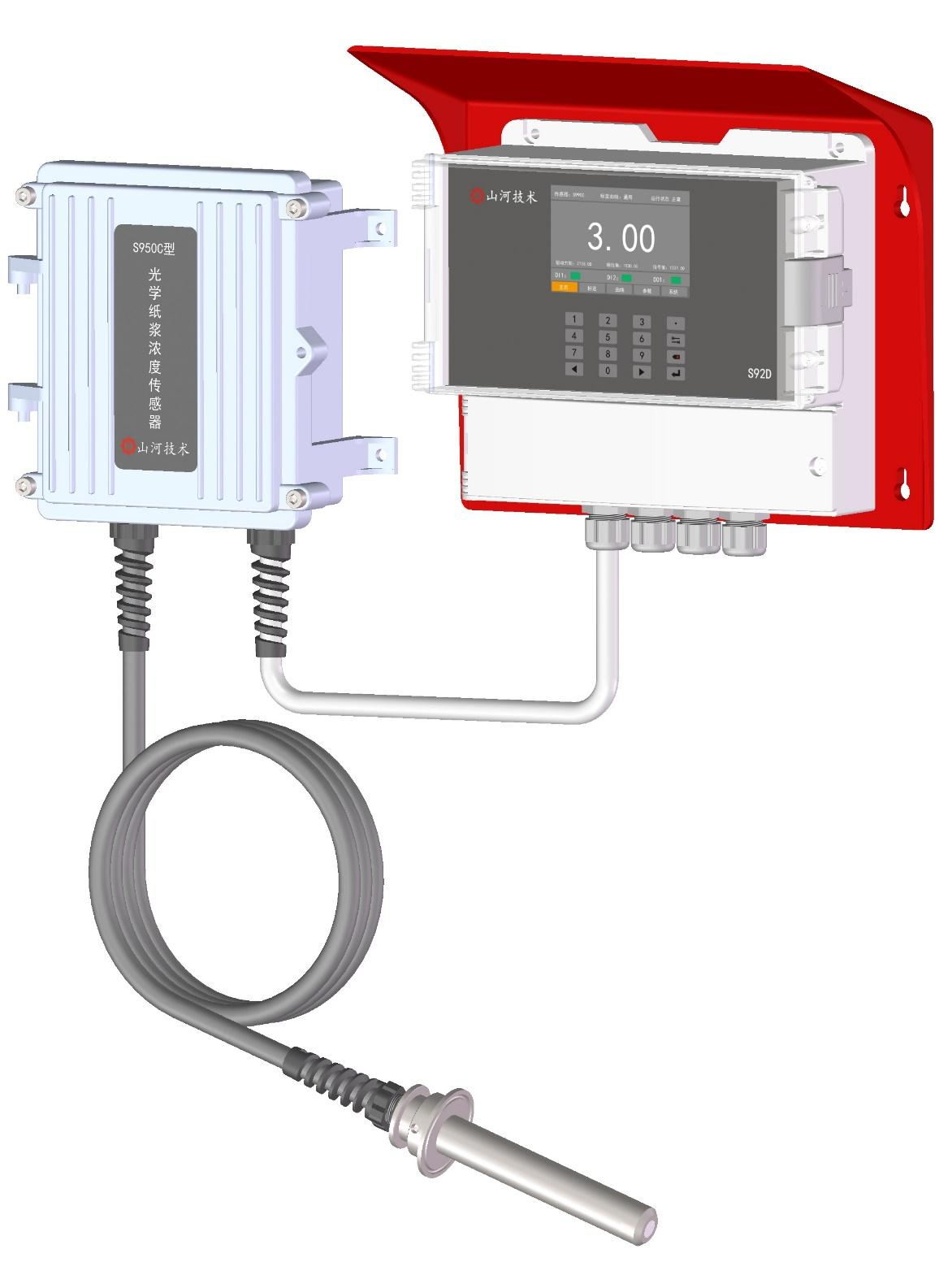
S950C Optical Pulp Consistency Sensor is composed of probe, photoelectric conversion box, converter and measuring connector. The overall dimensions of each part are shown in the following figure, in which the probe weighs 0.4 kg, the photoelectric conversion box weighs 1 kg, and the converter weighs 1.3 kg.
Sensor
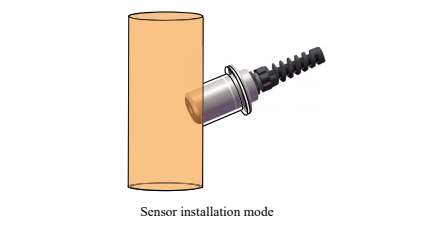
The sensor consists of probe, photoelectric conversion box and optical fiber. The probe is installed in a pipeline, the photoelectric conversion box is installed near the probe, and the probe and the photoelectric conversion box are connected through optical fibers. The probe is small in size and connected to the pipeline by clamps, which is convenient for installation and maintenance. The sensor probe uses sapphire glass window, which is wear-resistant and anti-winding.
The shell of photoelectric conversion box is die-cast with alloy aluminum, which is tightly sealed and can be installed nearby. The photoelectric conversion box is equipped with a light source and a light sensor for transmitting and receiving light signals. The microprocessor on the motherboard preprocesses the signals and communicates with the converter in real time to exchange data
Converter
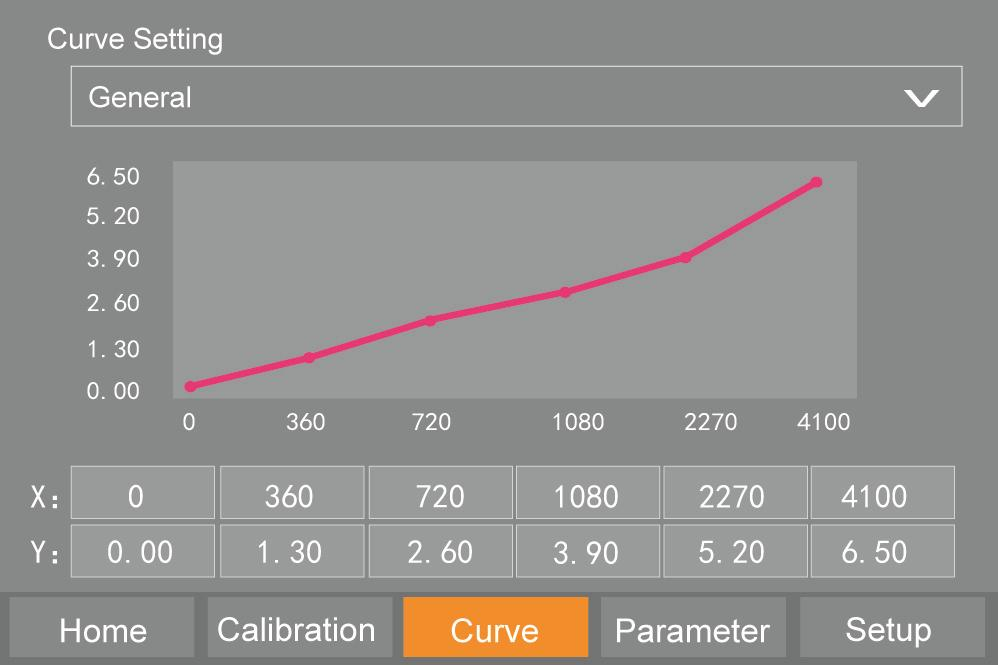
S92D converter adopts 4-inch full-color LCD screen, which can be operated by touch or physical keyboard. The instrument housing is made of ABS material, the display has transparent protective cover, and the protection level of the whole machine is IP65.The instrument can switch all Chinese interface or all English interface, and the factory settings can be restored with one key
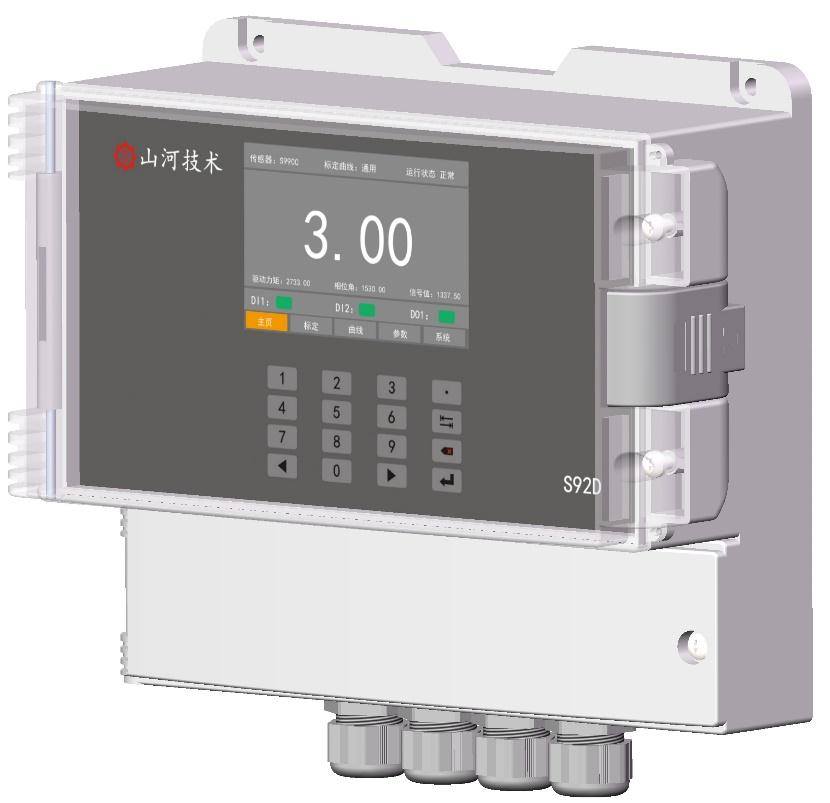
The instrument has 16 built-in curves, all curves can be modified and saved, calibrated on site or with one key, and the user interface is friendly and debugging is convenient
Installing connector
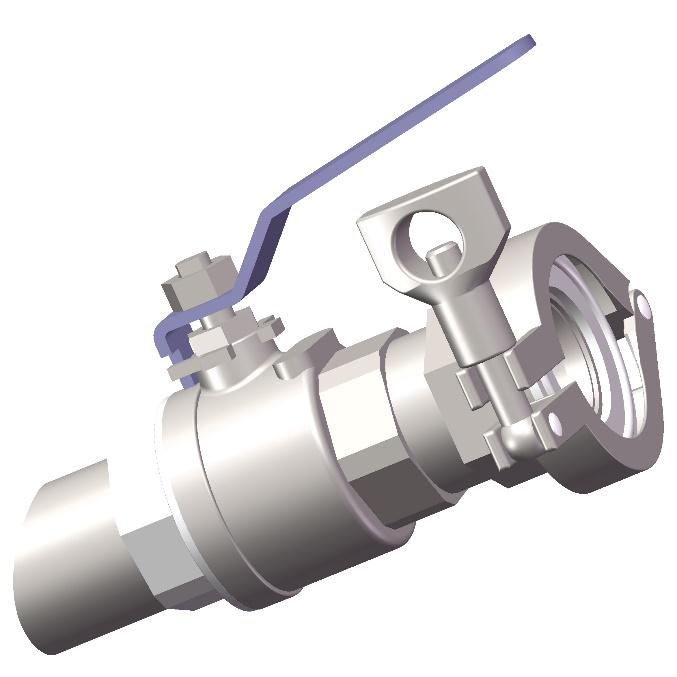
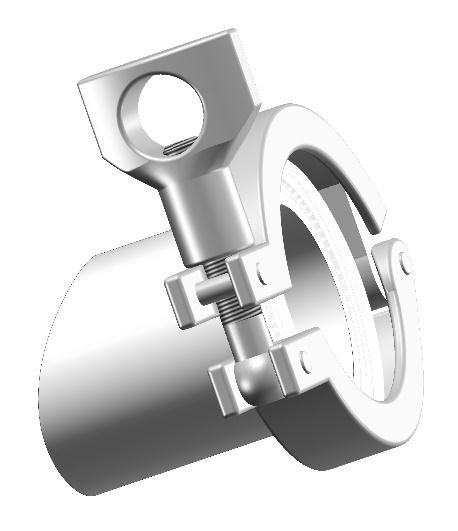
The connector of S950C optical pulp consistency sensor is directly welded on the pipe, and the probe is fixed by clamp, which is convenient to install. For places with frequent disassembly, the connector with valve can be used, which can be plugged and unplugged online for convenient maintenance. The connector material is 316L, and the minimum suitable pipe diameter is DN80.
Quality control
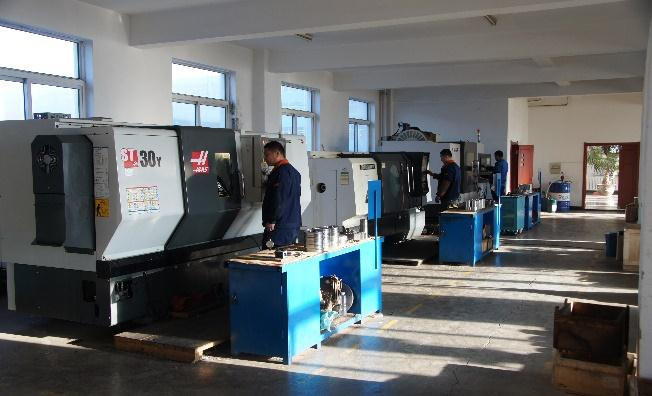
Precision machining of product parts, numerical control machining of key components, strict quality control of parts, components, semi-finished products and finished products in every process, and high temperature, vibration, suppression, loading and other examinations of finished products, and then firm packaging in wooden cases and cartons before delivery and delivery.
All operations of the company are included in ERP system management, and each part, semi-finished product and finished product have independent serial number. All information such as material procurement, part processing, finished product assembly, warehousing records, sales process and maintenance details of each product are managed by computer system, which can be inquired at any time, monitored, traced and warned, and has sufficient guarantee for early control, mid-term inspection and late maintenance of products.
Application example
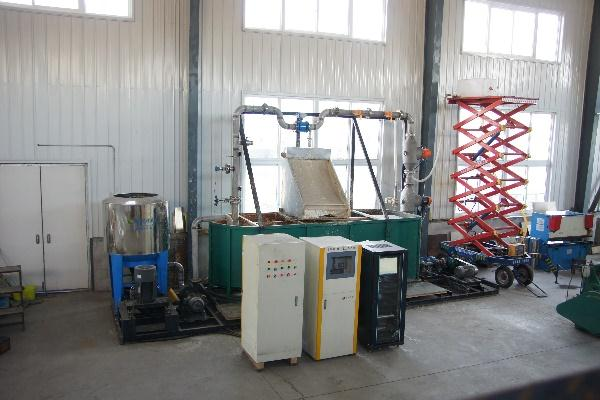
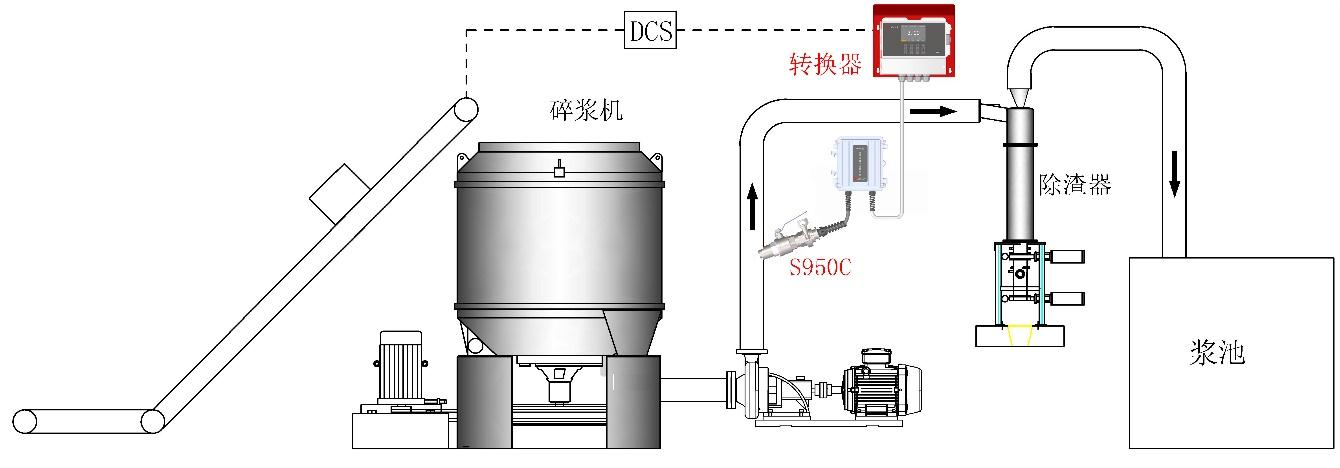
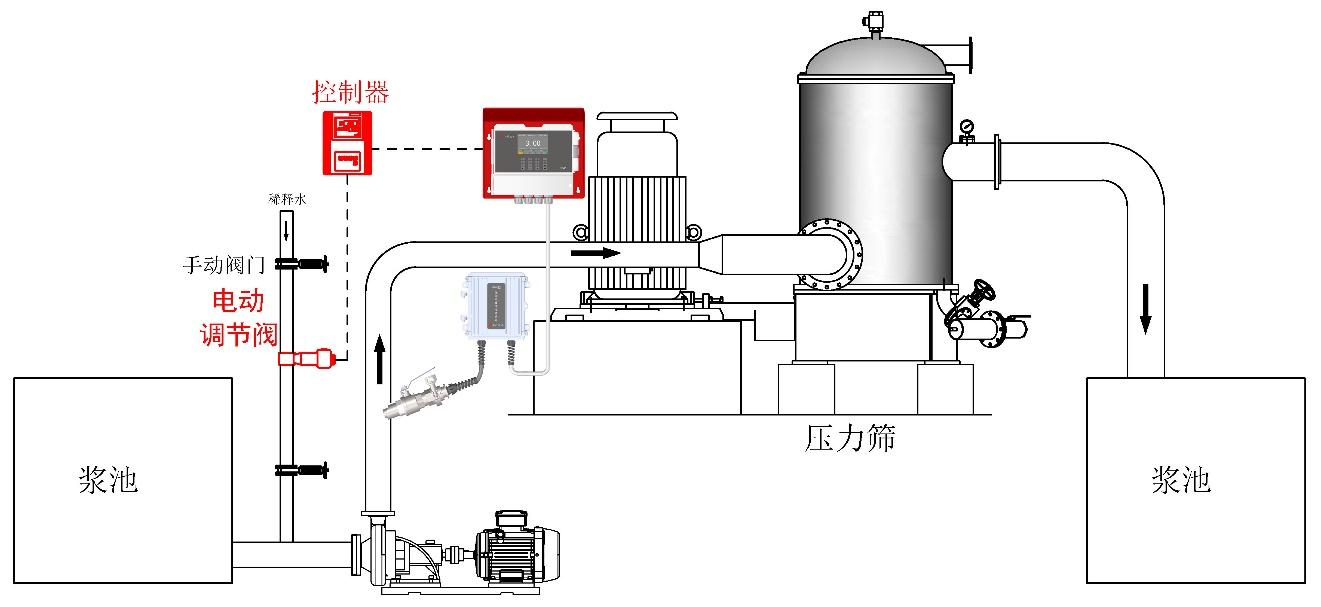
S950C Optical Pulp Consistency Sensor is small and easy to disassemble, and can be used in various process sections of pulping and papermaking. In addition, the probe is wear-resistant, anti-winding, has no moving parts, and has long service life. It can also be used in places with harsh process conditions, such as behind pulper and in front of sieve.
Use Scenarios
Pulp Manufacturing Pipeline Consistency Control
In pulp manufacturing plants, maintaining consistent pulp quality is essential to process stability and product excellence. The Opitial Sensor is installed directly on pipelines, including turbulent sections where pulp flow is highly variable. Its optical sensor function detects concentration fluctuations with high sensitivity, enabling plant engineers to monitor changes in real-time. This ensures compliance with process standards by delivering rapid feedback into automated control systems, facilitating chemical dosing and mechanical adjustments. Integration with SCADA or DCS platforms through standard signal outputs assures seamless workflow incorporation and enhanced operational transparency.
Heavy-Duty Application in Coarse Pulp Processing Environments
Operating in environments where pulp contains significant impurities challenges traditional sensors due to abrasive materials and high particulate loads. The Opitial Sensor’s sapphire glass probe and robust photoelectric sensor design withstand these harsh conditions while maintaining precise optical measurements. This advantage enables pulp refiners to continuously measure consistency without frequent sensor replacement or calibration loss. The sensor’s resistance to flow rate fluctuations, temperature, and vibration guarantees reliable data acquisition in rough processing environments. Its modular design also supports quick disassembly with valve-equipped connectors, minimizing downtime during maintenance cycles in rigorous industrial workflows.
FAQ
What materials are used in the Opitial Sensor’s construction?
Our optical sensor components are made from high-grade materials like 316L stainless steel, 254SMO, and Hastelloy to ensure corrosion resistance. The electronic box uses aluminum alloy, and the probe window features wear-resistant sapphire glass, ensuring durability in harsh industrial conditions.
Can the Opitial Sensor be customized for different process requirements?
Yes, we offer customization options such as medium pressure ratings of 1.0MPa, 1.6MPa, or 2.5MPa and compatible sensor connection materials. Our intelligent photoelectric sensor supports flexible calibration settings, allowing seamless integration into your existing control systems.
How do I install the Opitial Sensor in my pulp processing line?
You install the probe directly on the pipeline using clamps, with the photoelectric conversion box nearby connected via optical fibers. The connector can be either welded or fitted with a valve for quick disassembly and maintenance, ensuring minimal downtime during sensor servicing.
What maintenance procedures does the Opitial Sensor require?
Our sensor has no moving parts and features a sapphire glass probe window, reducing wear and maintenance needs. For frequent inspections, the valve-equipped connector option allows rapid sensor removal without pipeline shutdown, supporting continuous measurement with minimal interruption.


